designwitharchita.com

How to Mix and Match Furniture for the Living Room

Introduction: Stop Trying to Match Everything

How to Mix and Match Furniture for the Living Room
How to mix and match furniture for living room
How to Mix and Match Furniture for the Living Room

Most people think a “good” living room means everything matches the sofa matches the chairs, the wood tones match the table, the cushions match the rug. But ironically, that’s what often makes a space feel flat.

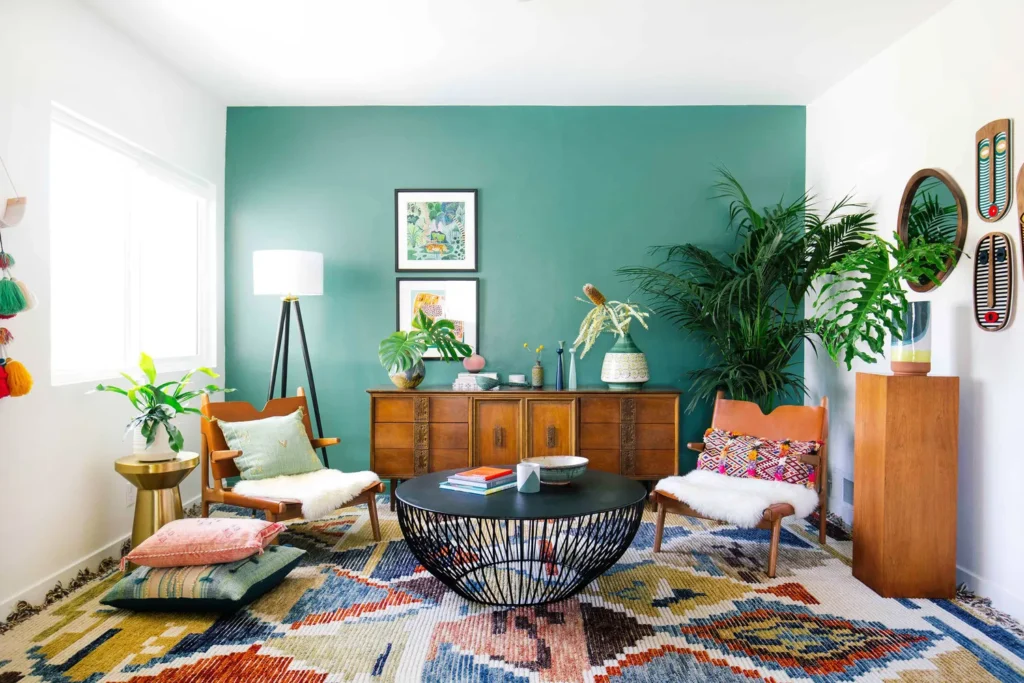
The real secret to a compelling space is knowing how to mix and match furniture for the living room without losing cohesion. It’s less about matching and more about curating.

When you understand how to mix and match furniture for the living room, you move from decorating… to designing. You start building a space that feels layered, lived-in, and real.


The Shift: From Matching to Composing

Before diving into steps, you need to shift your mindset.

When you mix and match furniture for the living room, you are not combining objects you are composing a visual experience.

Think of your living room like:

  • A playlist (different songs, same mood)
  • An outfit (different pieces, one vibe)
  • A story (different elements, one narrative)

If everything is identical, there’s no rhythm. When you mix and match furniture for the living room properly, you create tension and harmony at the same time.


Step 1: Build Around a “Visual Anchor”

How to mix and match furniture for living room
How to mix and match Furniture for Living room
How to Mix and Match Furniture for the Living Room

Every successful space starts with something stable.

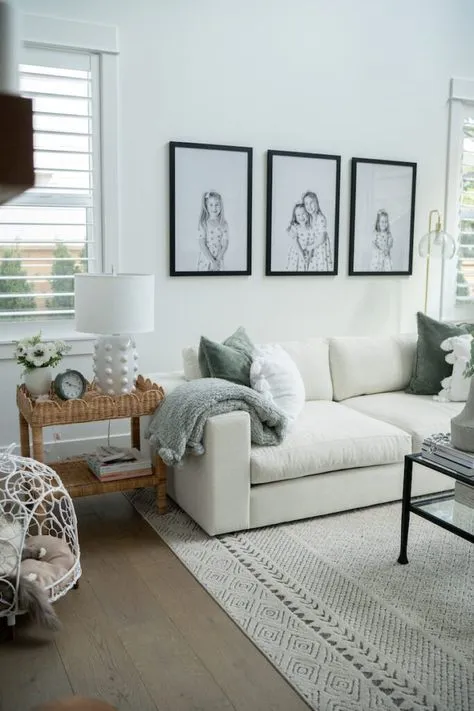
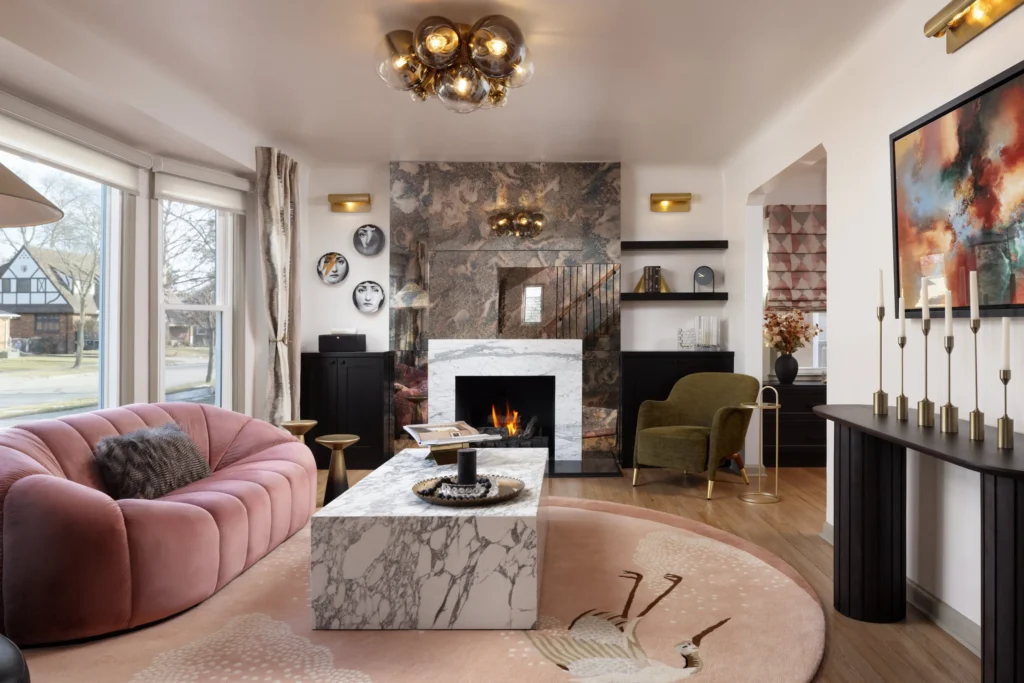
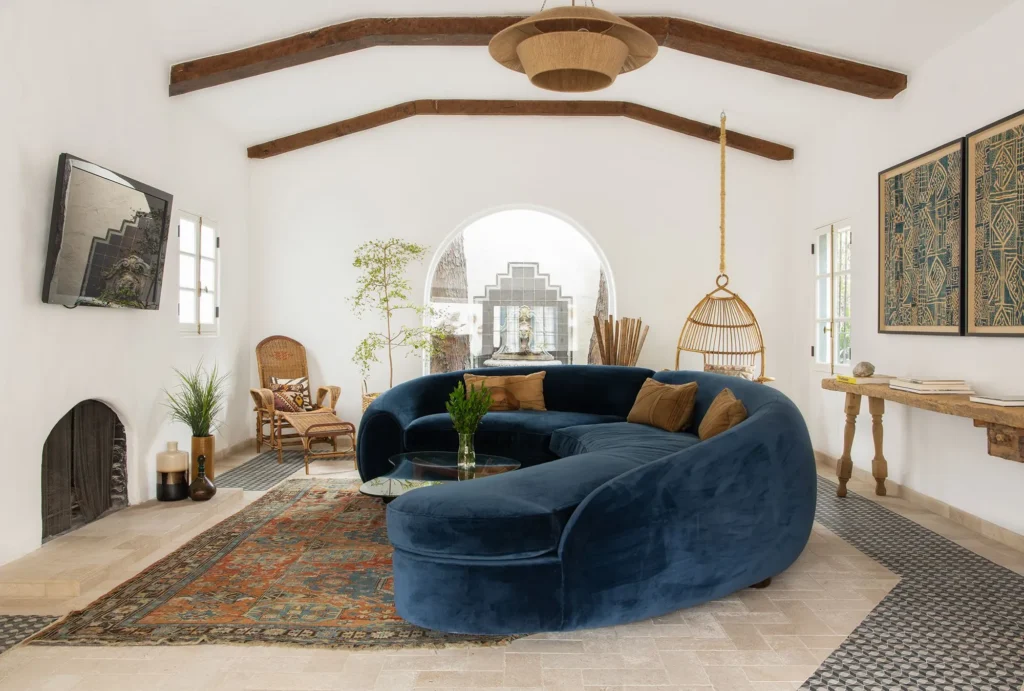
When you mix and match furniture for the living room, choose one element that grounds everything usually a sofa or a rug.

This anchor should:

  • Be neutral or adaptable
  • Have a clear shape
  • Not overpower the room

Once you have this, everything else becomes easier to layer

Think of it as the “base note” in music.


Step 2: Let Contrast Do the Work

How to Mix and Match Furniture for the Living Room

Most people fear contrast but it’s actually what makes a space interesting.

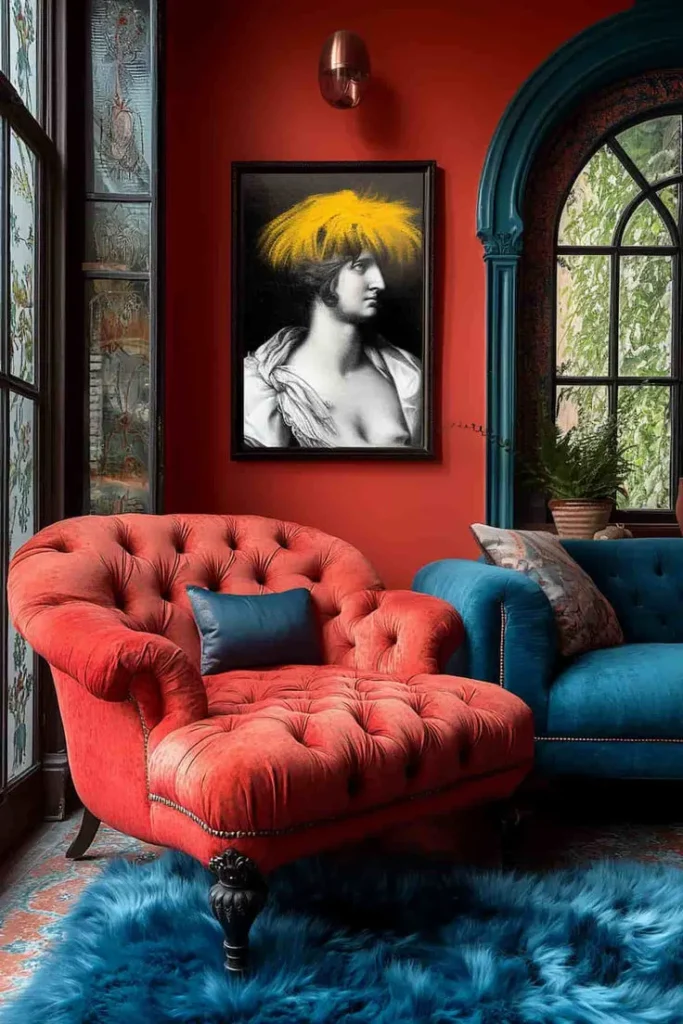
To truly understand how to mix and match furniture for the living room, you need to use contrast intentionally:

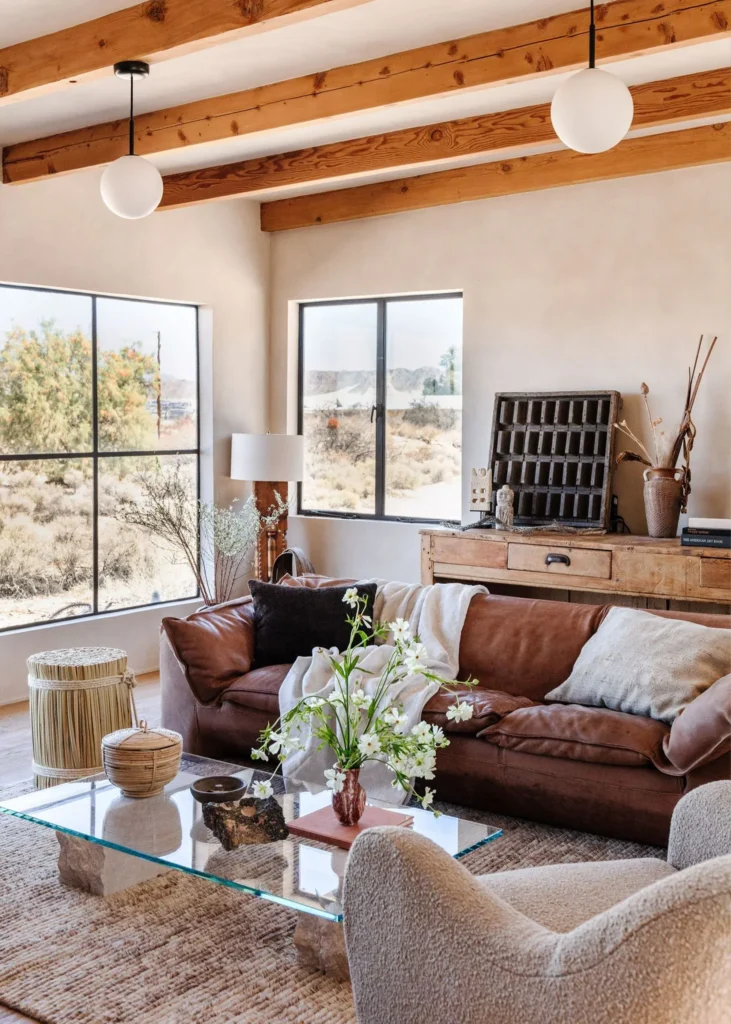
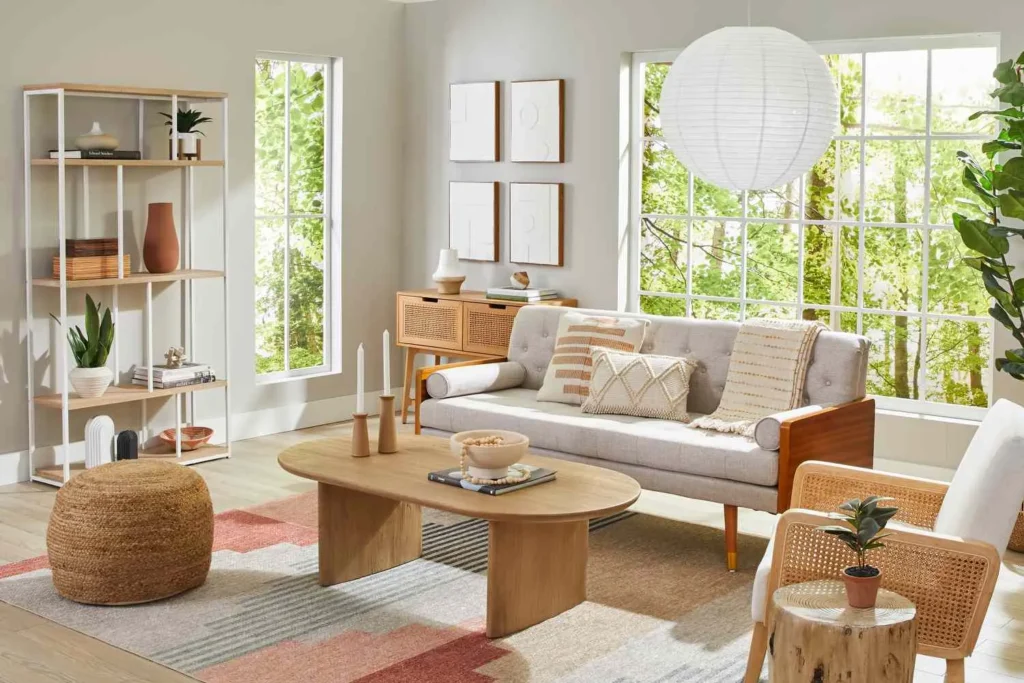
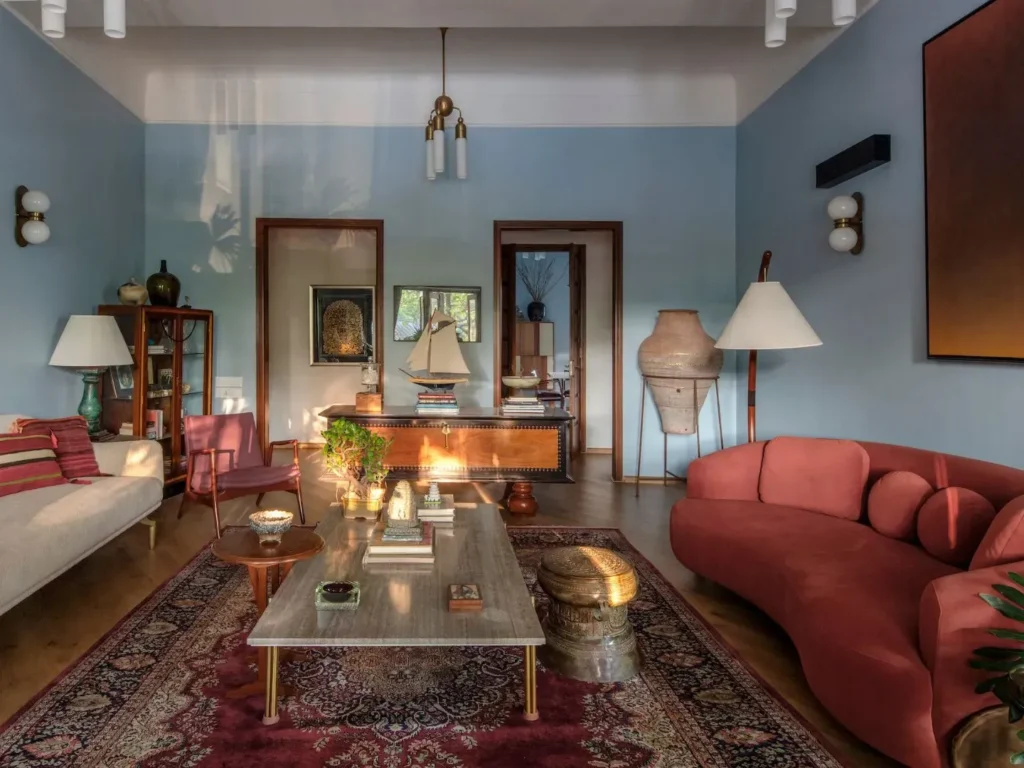
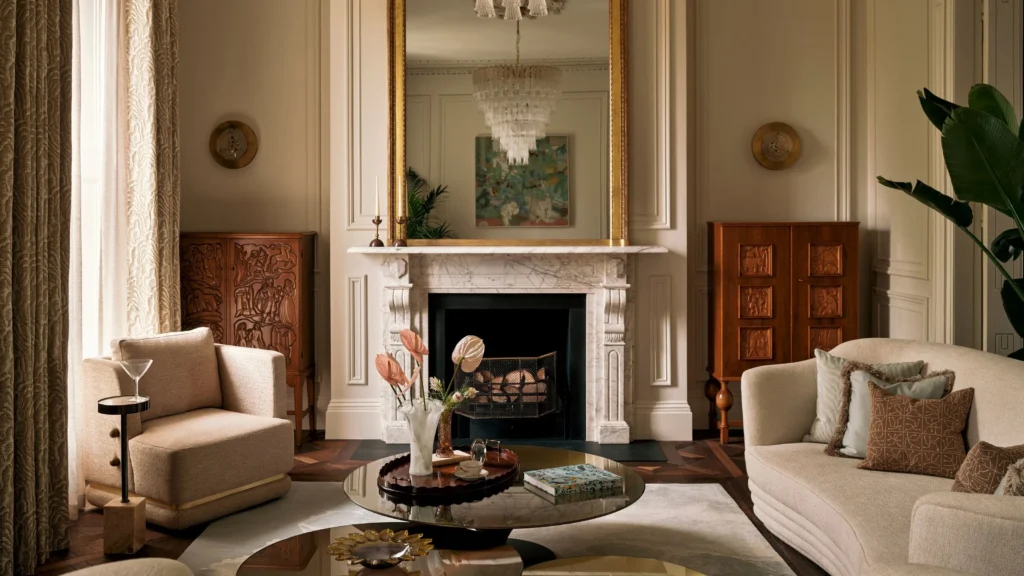
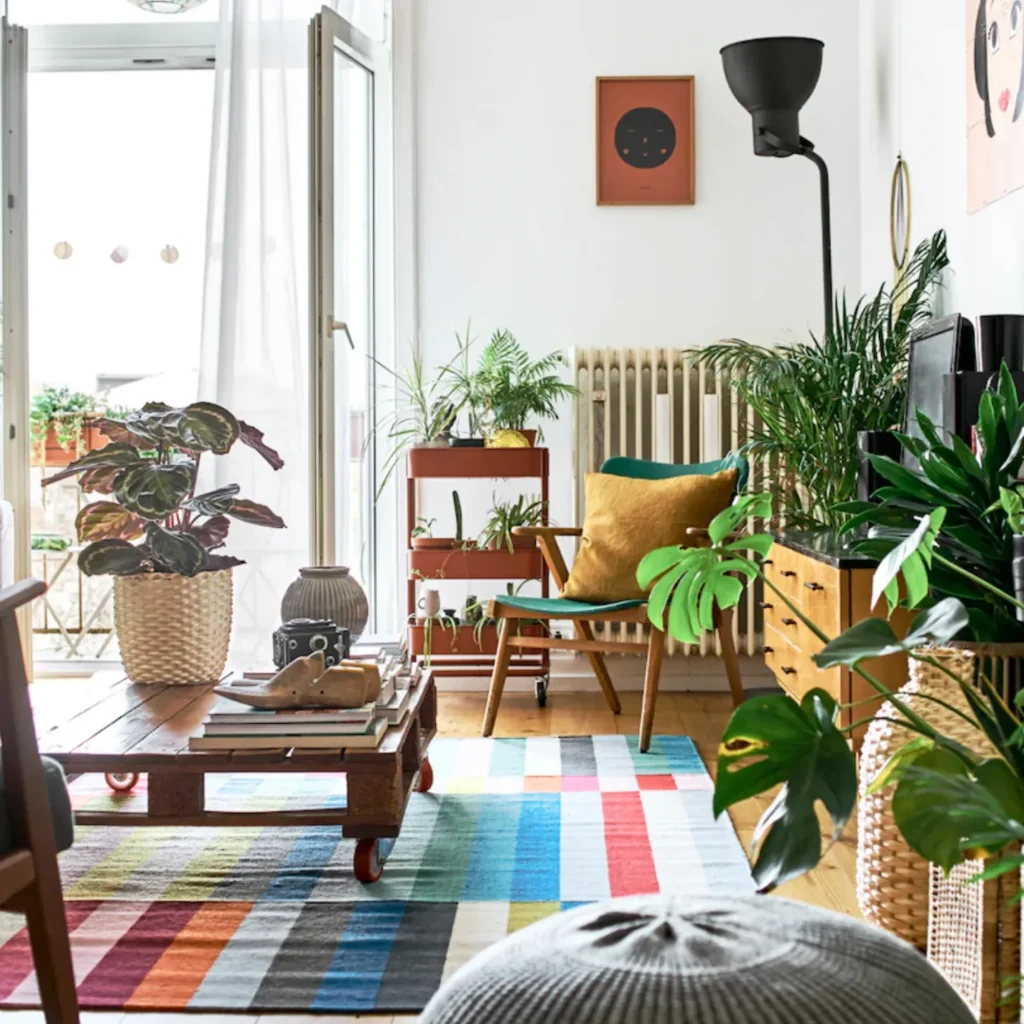
  • Soft vs hard (fabric + wood)
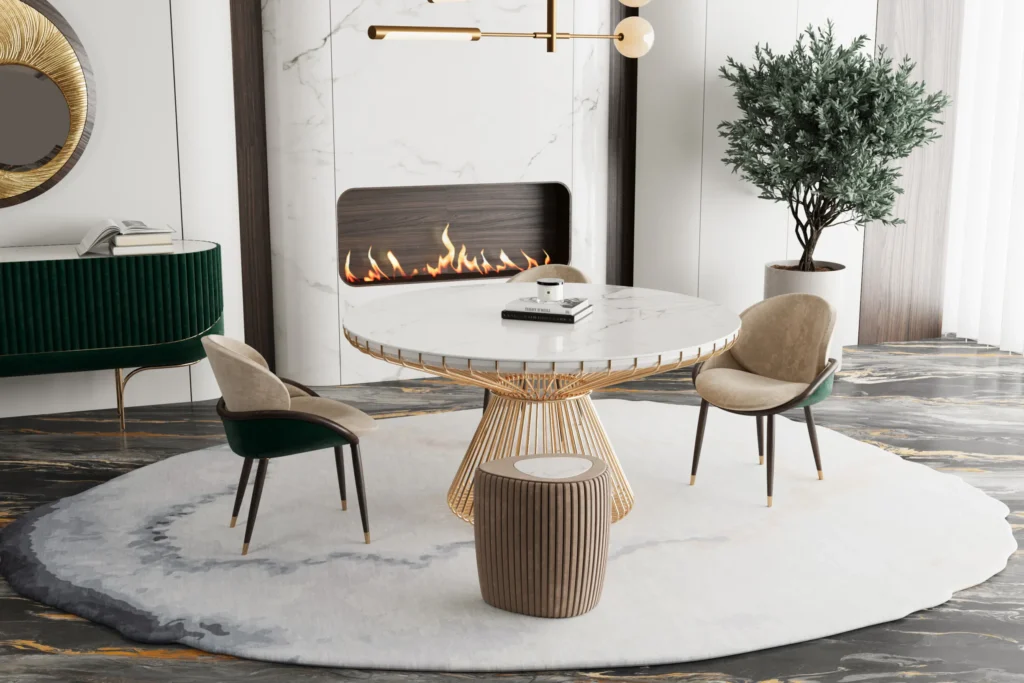
  • Light vs dark (beige + black)
  • Old vs new (vintage + modern)

Without contrast, your room feels predictable. With too much, it feels chaotic.

The goal when you mix and match furniture for the living room is controlled contrast.


Step 3: Repeat, Don’t Match

How to Mix and Match Furniture for the Living Room

Here’s where most people go wrong they try to match instead of repeat.

When you mix and match furniture for the living room:

  • Don’t use identical pieces
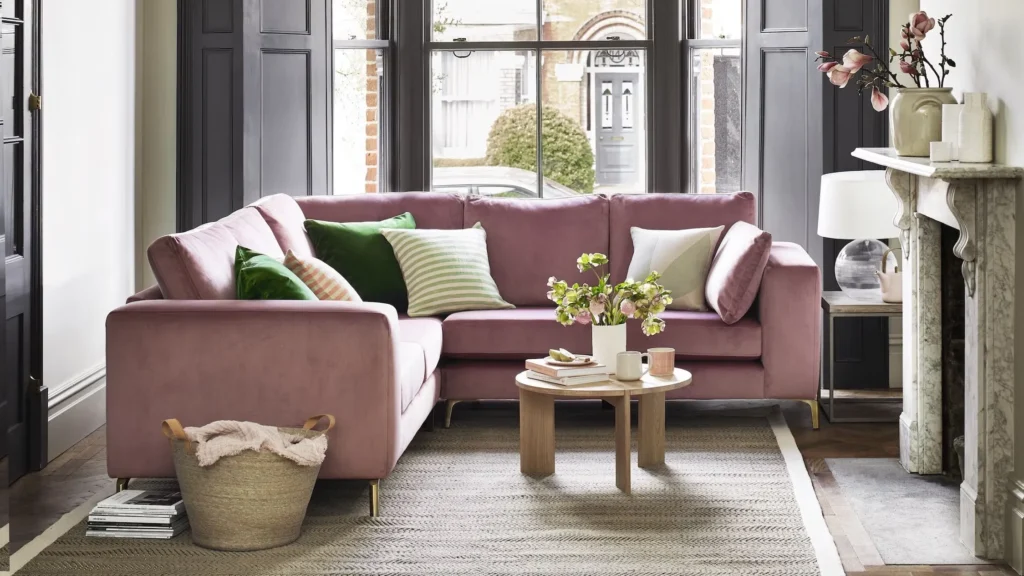
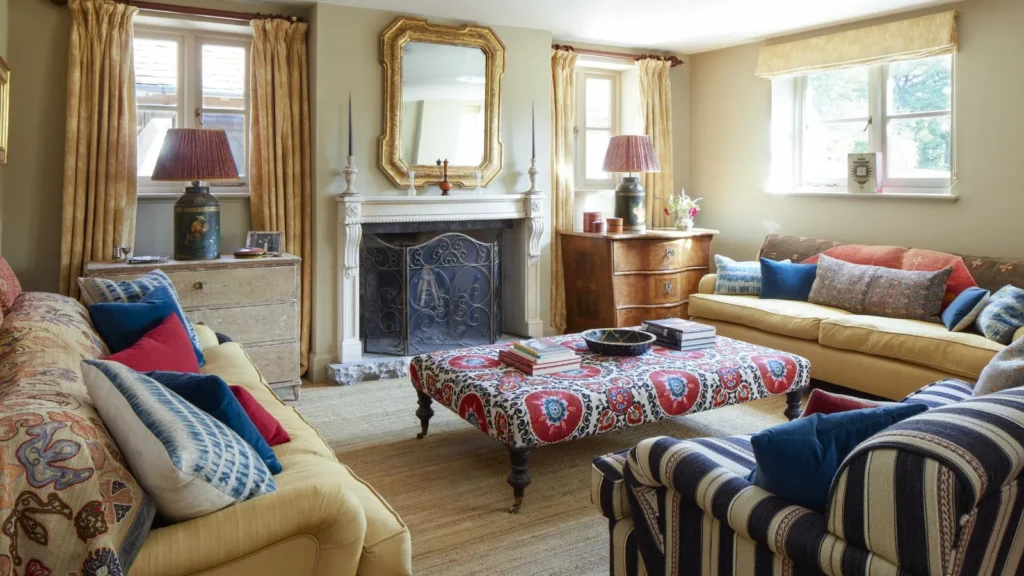
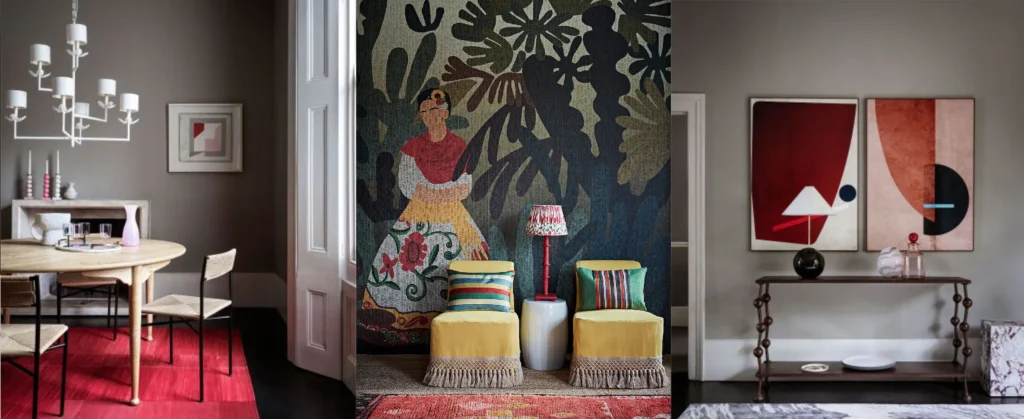
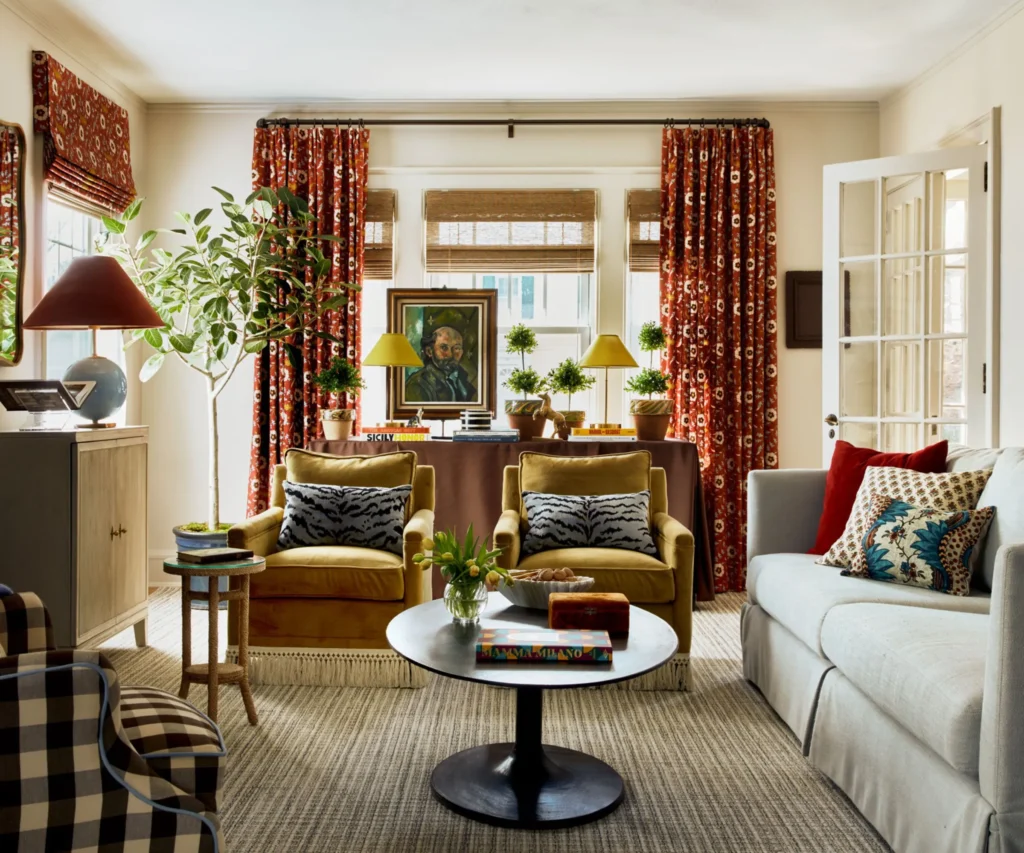
  • Instead, repeat colors, shapes, or materials

Example:

  • A wooden coffee table
  • A wooden picture frame
  • A wooden tray

They’re not the same but they connect.

This subtle repetition is what makes mixed spaces feel cohesive.


Step 4: Use “Negative Space” as a Design Tool

How to Mix and Match Furniture for the Living Room

One underrated principle when you mix and match furniture for the living room is knowing when not to add something.

Empty space is not wasted space it’s what allows your furniture to breathe.

If every corner is filled:

  • The room feels heavy
  • Individual pieces lose importance

Good design is not just about what you add, but what you leave out.


Step 5: Mix “Energy Levels” of Furniture

How to Mix and Match Furniture for the Living Room

Not all furniture should demand attention.

When you mix and match furniture for the living room:

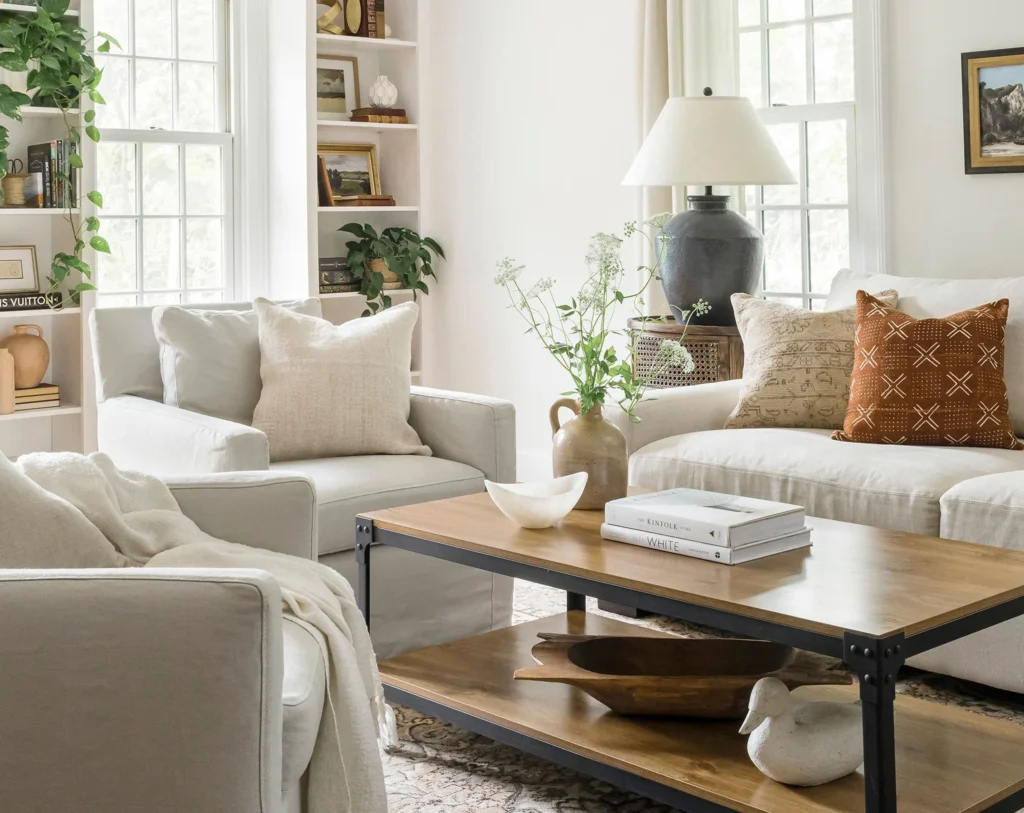
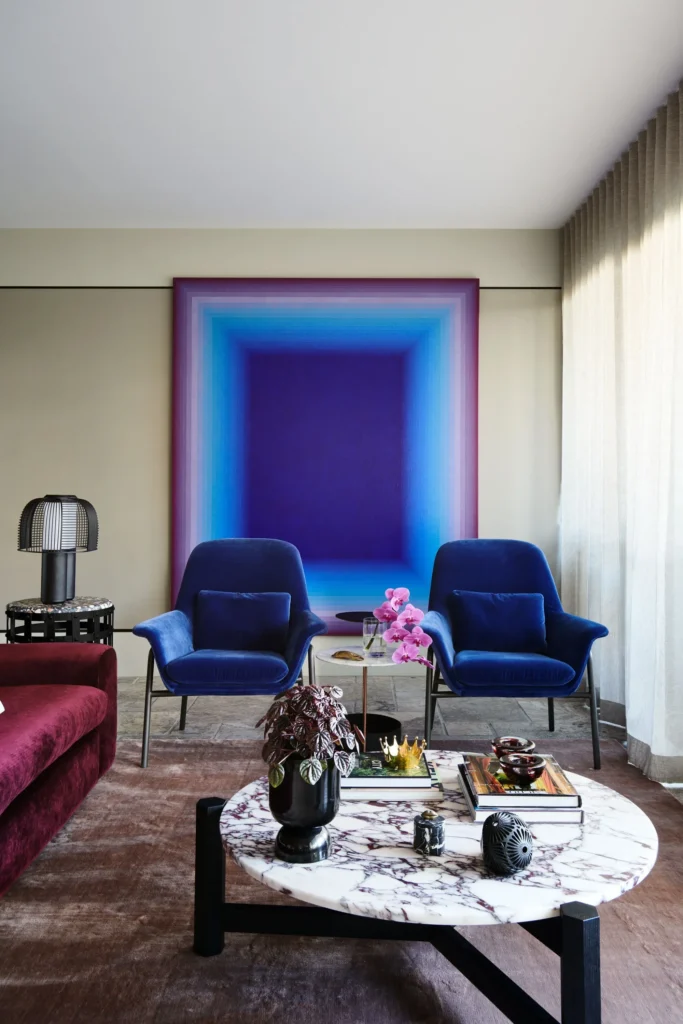
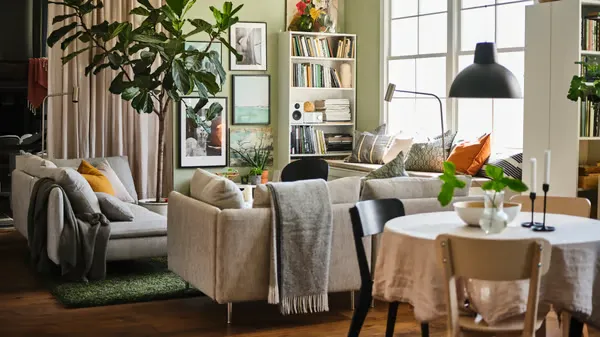
  • Combine calm pieces (neutral sofa)
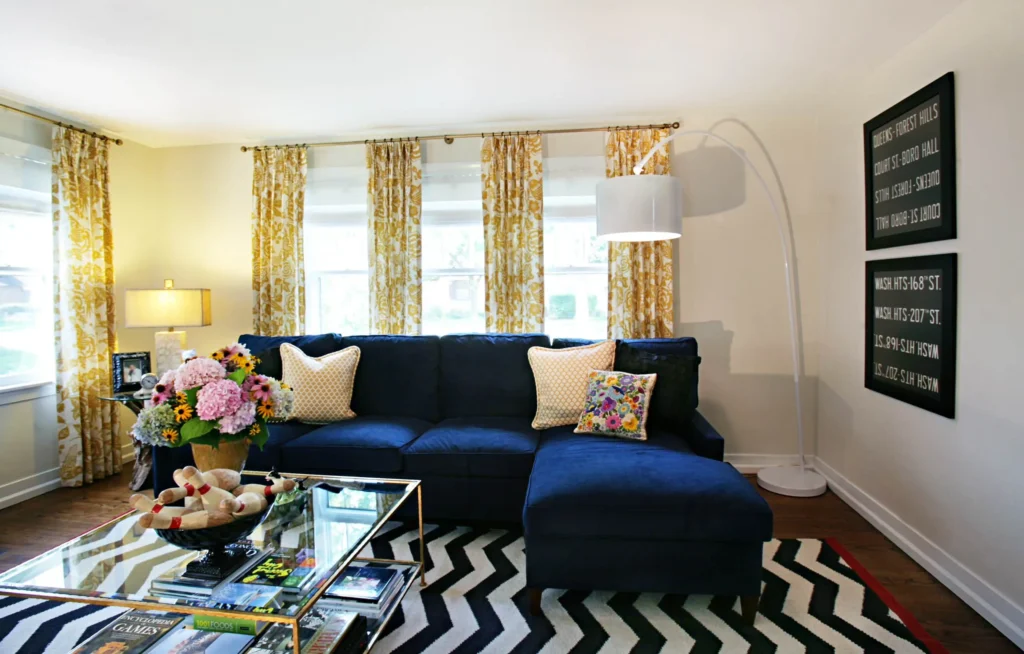
  • With expressive ones (bold chair, artwork)

If everything is loud → chaos
If everything is quiet → boring

The magic is in the contrast of energy.


Step 6: Layer Like a Designer (Not a Shopper)

How to Mix and Match Furniture for the Living Room

People often shop piece by piece without thinking about the whole.

But when you mix and match furniture for the living room, think in layers:

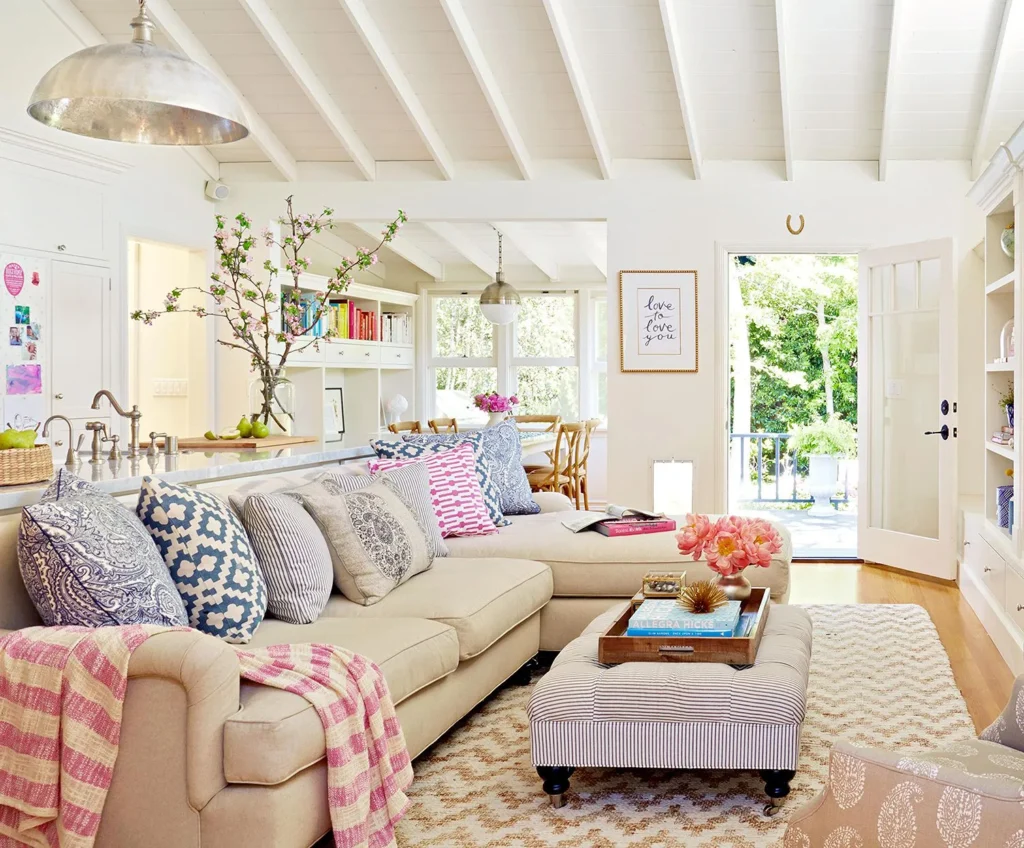
  • Base: sofa, rug
  • Mid-layer: chairs, tables
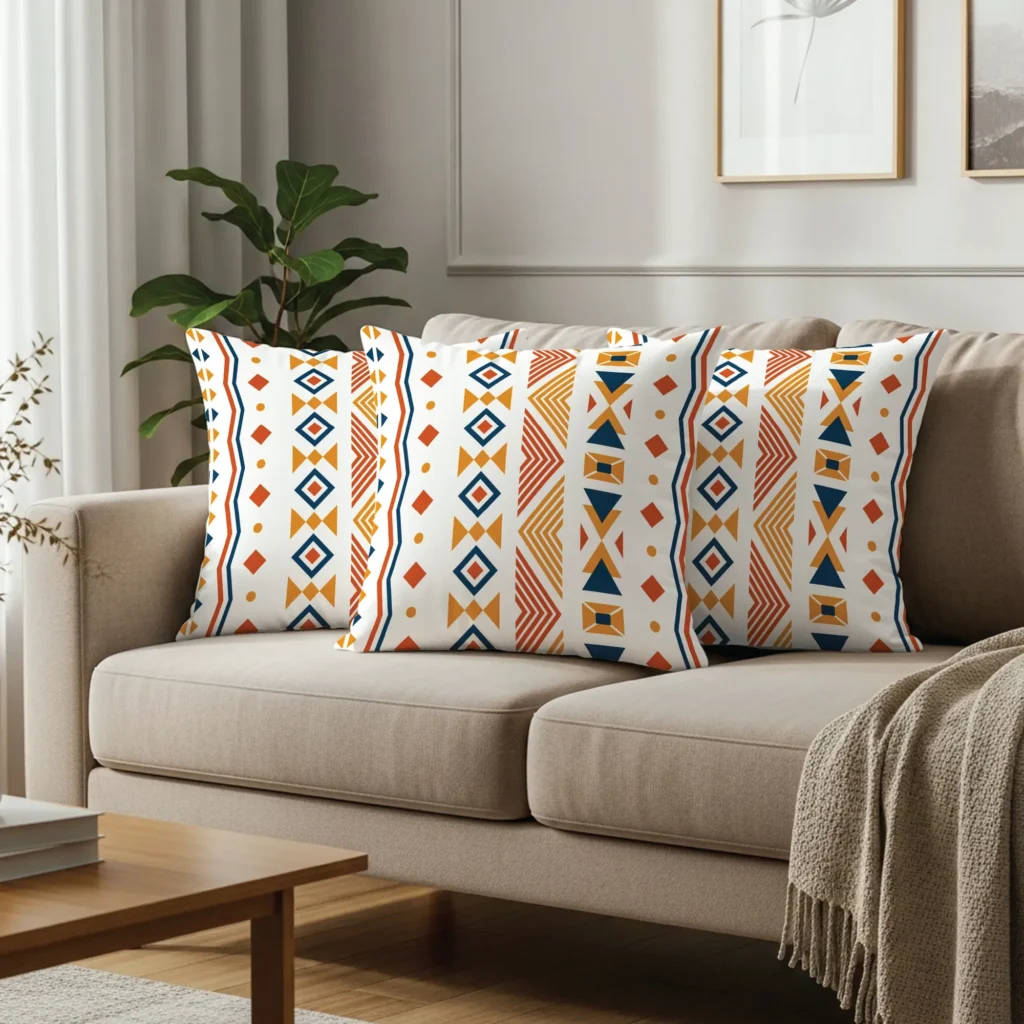
  • Top layer: cushions, decor, lighting

Layering creates depth. It turns a room into an experience not just a setup.


Common Mistakes (That Ruin Good Intentions)

Even with good taste, these mistakes can break your space:

  • Buying everything from one store
  • Ignoring proportions
  • Using too many statement pieces
  • Not considering lighting

When you mix and match furniture for the living room, restraint is just as important as creativity.


Budget-Friendly Combinations That Actually Work

How to Mix and Match Furniture for the Living Room

You don’t need luxury furniture to get this right.

Smart ways to mix and match furniture for the living room on a budget:

  • Pair a basic sofa with a vintage table
  • Use DIY art with premium lighting
  • Mix local finds with branded pieces

The goal is not expensive it’s intentional.


Maintenance: Keep the Room Alive

How to Mix and Match Furniture for the Living Room

A well-designed space evolves.

Once you learn how to mix and match furniture for the living room, keep updating:

  • Swap cushions seasonally
  • Rearrange layouts occasionally
  • Introduce small new elements

This keeps your space feeling fresh without starting from scratch.


Conclusion: Design a Room That Feels Like You

At the end of the day, knowing how to mix and match furniture for the living room is not about rules—it’s about confidence.

It’s about creating a space that:

  • Reflects your personality
  • Feels comfortable to live in
  • Doesn’t look like a catalog

When you stop trying to match everything, you start creating something real.


Call to Action

Start small.
Pick one corner of your living room today and experiment.

Because the best way to learn how to mix and match furniture for the living room…
is to actually start doing it.